Collection
Open to contributions

Restaurants that Jensen Huang visit

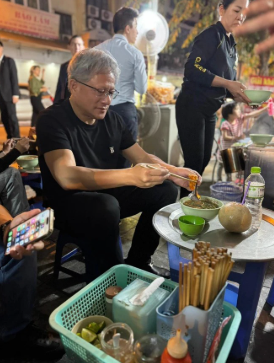
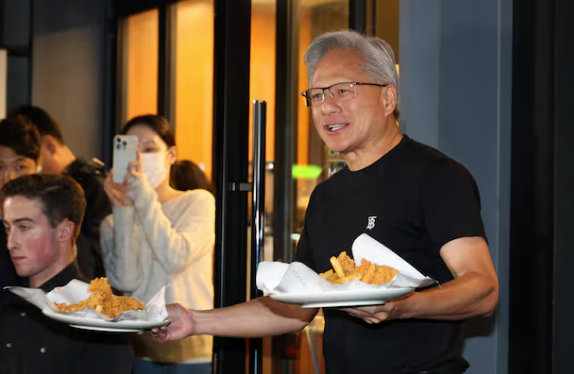
This collection track restaurants that Jensen Huang the CEO of NVIDIA and our favorite food influencer visits.

8 places2 likes0 followersUpdated 7/23/2026
Community contributors
C
1 person
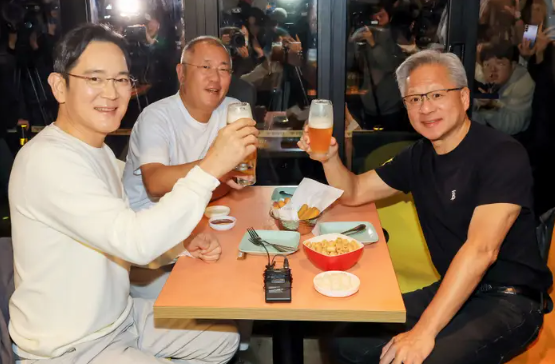
Restaurants that Jensen Huang visit collection cover

Explore the collection

8 places

Sukiyabashi Jiro

Sukiyabashi Jiro

New

Sukiyabashi Jiro is a compact Edomae sushi restaurant in the basement of the Tsukamoto Sogyo Building in Ginza. The ten-seat counter places the meal within Tokyo's long tradition of sushi as direct, focused dining rather than a leisurely sequence of shared plates. Its scale and format make it a destination for travelers interested in close observation of rice, fish, temperature, and timing at a specialist sushi counter. The restaurant serves an omakase progression determined by the seafood selected for that day. Pieces arrive one by one, already brushed or seasoned as the chef intends, with vinegared rice shaped lightly enough to retain air. The sequence emphasizes immediate eating: each piece is designed to be taken soon after it reaches the counter. Tea and pickled ginger reset the palate while the course moves through contrasting textures and levels of richness. Its distinctiveness lies in rigorous control of small details rather than elaborate presentation. Rice temperature, the preparation of each topping, the balance of vinegar, and the order of service are treated as parts of one system. The official guidance connects this approach to the fast, counter-based origins of Edo-style sushi. An independent account also confirms the restaurant's unusually small basement setting, where the proximity between chef and diner makes the pace and technique unusually visible. This experience best suits diners comfortable with a chef-directed meal and a concentrated counter atmosphere. Arrive with the correct Ginza flagship in mind: the address is Tsukamoto Sogyo Building B1F, 4-2-15 Ginza, Chuo-ku, and a separate Sukiyabashi Jiro branch operates in Roppongi. The sequence is intended to be eaten promptly, and the restaurant asks guests to avoid strong fragrance and photography of the sushi. Current access and booking arrangements can be restrictive and may change, so confirm them directly before building a day around the meal.

#sushi
#edomae
+2

Added by a community contributor

EExplorer
0
Ippudo

Ippudo

New

Ippudo in Chiyoda, Tokyo is a ramen restaurant. The place is identified by its cuisine as ramen, making it a straightforward stop for a noodle-focused meal in the Yurakucho area.

#ramen
#noodles
+1

Added by a community contributor

EExplorer
0
Ginza Ukai-Tei

Ginza Ukai-Tei

New

Ginza Ukai-Tei is a teppanyaki restaurant on the first floor of the Jiji Press Building in Ginza, close to Higashi-ginza Station. It suits travelers who want a meal organized around counter cooking rather than a conventional dining room, with the chef's work forming part of the experience. The setting combines Japanese architectural elements with Western decorative objects, giving the restaurant a deliberate sense of place within central Tokyo. Meals are built as courses centered on selected wagyu beef, with seafood and seasonal vegetables prepared on the iron plate. Chefs cook directly in front of guests at circular counters and private rooms equipped with their own teppan. The format makes temperature, timing, and the handling of each ingredient visible. Dessert is served in a separate room, creating a distinct final stage after the main counter sequence rather than simply extending the grill service. The interior is a defining part of the branch. Century-old zelkova beams, mosaic tiles, Japanese craft, and Art Nouveau influences are arranged around a counter inspired by the deep sea. This mixture of modern and nostalgic design separates Ginza Ukai-Tei from a simple steakhouse. The cooking also draws on French technique while keeping the iron plate and carefully selected Japanese beef at the center, so the experience moves between Japanese teppanyaki and a structured fine-dining course. This is best approached as a planned meal for diners who value close interaction with the cooking process and a measured course progression. The official address is 5-15-8 Ginza, Chuo-ku, inside the Jiji Press Building, and Higashi-ginza Station is the nearest practical rail stop. Seasonal sourcing means individual seafood, vegetables, and course details can change, so choose the overall teppanyaki experience rather than planning around one dish. The restaurant has other Ukai-Tei branches in Tokyo, making the Ginza address important when arranging transport or reservations.

#japanese
#restaurant
+1

Added by a community contributor

EExplorer
0
Nadaman at Shangri-La Hotel Tokyo

Nadaman at Shangri-La Hotel Tokyo

New

Nadaman at Shangri-La Tokyo is a Japanese restaurant on the 29th floor of the Marunouchi Trust Tower Main, beside Tokyo Station. Its hotel setting and broad approach to formal Japanese dining make it a useful choice for travelers seeking a composed meal in central Tokyo without leaving the station district. The room belongs to the long-running Nadaman group, while this branch is shaped around the elevated Marunouchi location. The kitchen presents seasonal Japanese cuisine across several formats rather than concentrating on a single specialty. Kaiseki-style courses form the core of the experience, supported by à la carte cooking and dedicated sushi and teppanyaki counters. That range lets diners compare carefully sequenced dishes with counter service built around seafood, grilled ingredients, and direct preparation. The emphasis is on the progression of a meal and the character of ingredients within established Japanese techniques. What distinguishes this branch is the combination of those formats in one restaurant high above the Tokyo Station area. A dining room, private spaces, sushi counter, and teppanyaki counter create different ways to engage with the same culinary tradition. The hotel location adds a polished setting, but the restaurant retains a specific identity through Nadaman's focus on seasonal composition and multiple specialist stations rather than functioning as a general hotel dining room. It best suits a planned lunch or dinner when Japanese cuisine is a central part of the day, especially for diners who value a measured pace and the option to choose between courses and counter seating. The 29th-floor address is inside Shangri-La Tokyo at 1-8-3 Marunouchi, not the nearby Tekko Building, so confirm the tower before arrival. Tokyo Station's Nihonbashi and Yaesu North exits and Otemachi Station provide practical approaches. Because formats and seasonal dishes can change, choose the dining style first and check the current restaurant information when planning.

#restaurant
#hotel
+1

Added by a community contributor

EExplorer
0
Ginza Kyūbey Honten

Ginza Kyūbey Honten

New

A cozy, modern eatery offering fresh, locally sourced dishes with bold flavors, warm hospitality, and a relaxed atmosphere perfect for any occasion.

Added by a community contributor

EExplorer
0
やきとん三吉 神田北口店

やきとん三吉 神田北口店

New

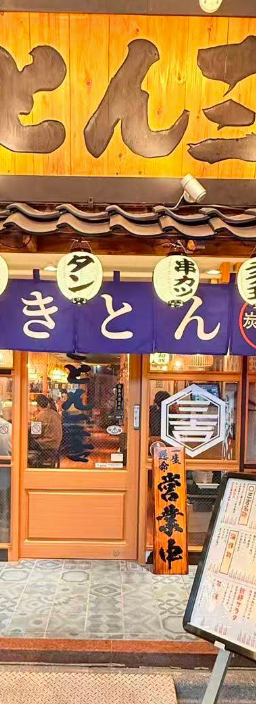
Yakiton Sankichi Kanda Kitaguchi is an izakaya near the north exit of Kanda Station in Uchikanda, Chiyoda City. The branch sits on a compact station-side route at 3-22-9 Uchikanda, making it a practical choice when a Tokyo itinerary calls for a cooked meal and drinks close to the rail network. Its identity is tied to the Japanese name やきとん三吉 神田北口店, useful for map searches and local signage. The menu is built around charcoal-grilled skewers. Yakiton refers to pork skewers, while the restaurant also presents yakitori, seasonal vegetables, and other izakaya dishes. The branch highlights binchotan cooking, with domestic pork and selected chicken grilled individually so excess fat falls away while the ingredients retain their flavor. A broader menu includes beef offal hot pot, fish dishes, rice-based items, and drinks, giving groups room to order across several parts of a Japanese tavern menu rather than centering the meal on one fixed course. Its distinctive appeal is the combination of a focused skewer specialty and a broad, group-friendly izakaya format. Diners can keep the meal simple with a few grilled pieces, or build a longer table spread around pork, chicken, vegetables, hot dishes, and drinks. The atmosphere is presented as a warm Japanese dining room with counter places for solo visitors and tables for shared meals. That balance makes the venue more flexible than a specialist counter alone while keeping the charcoal-grilled skewers as the clearest reason to choose it. Plan it for visitors who want to try yakiton in a lively central Tokyo setting, especially when staying near Kanda or connecting through the station. The place can suit a quick early meal, a relaxed evening with friends, or a larger gathering, but the menu is easiest to approach if you are comfortable ordering several small dishes. Focus on the pork and chicken skewers first, then add seasonal or hot dishes according to the group. Check current operating details before visiting because restaurant schedules can change.

#yakitori
#pork-skewers
+1
EExplorer
0
Hey brother, its me!

Hey brother, its me!

New

Hey brother, its me! is a place in Seoul on Eoulmadang-ro in the Hongdae area. The available evidence identifies the venue by name and location, but does not provide reliable details about its function or offerings, so it should be treated as a minimally described stop.

#hongdae
#seoul
+1
EExplorer
0
BBQ Chicken Hongdae Entrance Branch

BBQ Chicken Hongdae Entrance Branch

New

BBQ Chicken Hongdae Entrance Branch sits at 115 Eoulmadang-ro in Seoul’s Mapo district, directly in the busy Hongdae area associated with shopping, music, nightlife, and Hongik University. This is a branch of the Korean BBQ Chicken franchise, not a Korean barbecue grill: the focus is Korean-style fried and seasoned chicken served as a casual meal. Its central position makes it convenient to combine with an afternoon or evening exploring Hongdae’s pedestrian streets. The clearest starting point is the chain’s signature Golden Olive Chicken, a classic fried preparation presented by BBQ as its defining menu item. The wider official menu also includes sweet seasoned chicken, spicy variations, boneless pieces, wings, drumsticks, and mixed selections. A half-fried, half-seasoned order is useful for comparing the crisp original style with Korea’s sauce-coated yangnyeom tradition. Exact availability can vary, so treat those categories as an ordering framework rather than a guarantee that every variation will be offered. What distinguishes this branch is less a one-off recipe than its role as an accessible introduction to the chicken-and-beer side of Korean dining culture in one of Seoul’s busiest visitor districts. The Hongdae Entrance branch draws overseas visitors, and Golden Olive Chicken remains the brand’s central signature. The result is a recognizable chain experience with enough formats and seasoning choices to help first-time diners understand the contrast between plain fried, sauced, and spiced Korean chicken. This spot best suits travelers seeking a straightforward shared meal between Hongdae activities rather than a formal restaurant occasion. Whole-chicken portions are naturally easier to sample with company, although smaller or boneless formats may suit different groups when available. Decide first whether the priority is crisp fried chicken, sweet seasoning, or a comparison of both, then add sides only after judging the main portion. Confirm the current menu and service details at the branch, especially if a particular cut, sauce, or dietary requirement matters.

#fried-chicken
#takeout
+1
EExplorer
0