A foodie's trip
Places to go and eat for those who love food...


Places to go and eat for those who love food...

Takoyaki bar Kureo-ru Dogenzaka is an Osaka-style street-food and izakaya stop on Dogenzaka in Shibuya, a short walk from the station and Center-gai. The Tokyo branch brings the brand’s Dotonbori identity into a compact city setting, making it easy to add to an evening route when you want a shareable snack rather than a formal meal. Its position on a lively Shibuya side street keeps the visit tied to the surrounding nightlife district. Takoyaki is the focus: round batter-based bites cooked in a molded pan and served with the sauces and toppings that define the style. The broader menu extends the Osaka theme with okonomiyaki, kushikatsu, teppan dishes, and drinks, so the place can work as either a quick taste or a casual stop with several plates. The useful way to approach it is to compare the texture of freshly cooked takoyaki with the other hot-plate dishes, rather than treating the restaurant as a generic bar. What distinguishes this branch is the combination of an Osaka food identity, a street-level counter, and an upstairs dining area in Shibuya. The setup supports a takeaway stop, shared plates at the counter, or a more settled meal upstairs. That flexibility matters in Dogenzaka, where plans often change as people move between shops, bars, music venues, and late-night streets. The restaurant’s name also makes its origin clear, linking this Tokyo branch to Kureo-ru’s Dotonbori roots. For visitors curious about takoyaki beyond festival stalls, groups looking for a casual shareable meal, or travelers who want an Osaka specialty without leaving Tokyo. Start with the takoyaki, then add one or two dishes if you want to make the stop longer; the format is better suited to sampling than to a quiet dinner. The neighborhood can be noisy and energetic, especially later in the day, so keep the visit flexible and confirm current service details if timing matters. It is an Osaka-food stop whose value comes from taste, format, and location working together.
Added by Alexis Hill
Takoyaki bar Kureo-ru Dogenzaka is an Osaka-style street-food and izakaya stop on Dogenzaka in Shibuya, a short walk from the station and Center-gai. The Tokyo branch brings the brand’s Dotonbori identity into a compact city setting, making it easy to add to an evening route when you want a shareable snack rather than a formal meal. Its position on a lively Shibuya side street keeps the visit tied to the surrounding nightlife district. Takoyaki is the focus: round batter-based bites cooked in a molded pan and served with the sauces and toppings that define the style. The broader menu extends the Osaka theme with okonomiyaki, kushikatsu, teppan dishes, and drinks, so the place can work as either a quick taste or a casual stop with several plates. The useful way to approach it is to compare the texture of freshly cooked takoyaki with the other hot-plate dishes, rather than treating the restaurant as a generic bar. What distinguishes this branch is the combination of an Osaka food identity, a street-level counter, and an upstairs dining area in Shibuya. The setup supports a takeaway stop, shared plates at the counter, or a more settled meal upstairs. That flexibility matters in Dogenzaka, where plans often change as people move between shops, bars, music venues, and late-night streets. The restaurant’s name also makes its origin clear, linking this Tokyo branch to Kureo-ru’s Dotonbori roots. For visitors curious about takoyaki beyond festival stalls, groups looking for a casual shareable meal, or travelers who want an Osaka specialty without leaving Tokyo. Start with the takoyaki, then add one or two dishes if you want to make the stop longer; the format is better suited to sampling than to a quiet dinner. The neighborhood can be noisy and energetic, especially later in the day, so keep the visit flexible and confirm current service details if timing matters. It is an Osaka-food stop whose value comes from taste, format, and location working together.

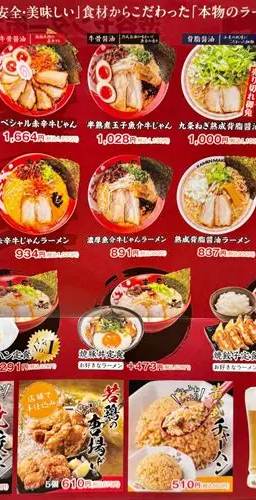
Ramen Makotoya is the Shibuya Center Street branch of a ramen chain, set on Udagawacho in the J+R Side J Building, a short walk from Shibuya Station. Its position places it inside Tokyo’s shopping and nightlife district, but the restaurant itself is focused and practical: it is a place to pause for a bowl while moving through Center-gai, not a destination meal. Opened as the chain’s Tokyo flagship, it gives visitors a recognizable address for beef-bone ramen. The signature is gyūkotsu paitan, a creamy beef-bone broth simmered slowly for depth and richness. That base gives the restaurant a different profile from the pork-tonkotsu shops often associated with ramen in Japan. The chain’s menu extends into other ramen styles and small accompaniments, but the central reason to choose this branch is the beef-bone foundation and how it contrasts with sharper, darker, or more seasoned directions. The branch’s distinctiveness comes from combining a regional chain identity with a highly central Shibuya setting. It is a compact counter-led shop, so the experience is more about efficient ordering and concentrated eating than lingering over table service. The Center Street name separates it from the chain’s other Tokyo shops and similarly named noodle restaurants. The result is a focused branch experience: recognizable specialties served in a fast-moving entertainment district, with the address doing as much work for orientation as the bowl does for the meal. It fits travelers who want to explore a Japanese ramen style beyond the better-known pork-bone template, solo diners, or anyone needing a break between Shibuya’s shops, arcades, and viewpoints. Start with the beef-bone paitan for the clearest expression of the house identity, then choose add-ons according to appetite. A counter format may feel close and the neighborhood can be intense, so it suits a concise meal more than a slow, quiet dinner. Check current menu and service details if a specific bowl is central to your plan.
Added by Alexis Hill
Ramen Makotoya is the Shibuya Center Street branch of a ramen chain, set on Udagawacho in the J+R Side J Building, a short walk from Shibuya Station. Its position places it inside Tokyo’s shopping and nightlife district, but the restaurant itself is focused and practical: it is a place to pause for a bowl while moving through Center-gai, not a destination meal. Opened as the chain’s Tokyo flagship, it gives visitors a recognizable address for beef-bone ramen. The signature is gyūkotsu paitan, a creamy beef-bone broth simmered slowly for depth and richness. That base gives the restaurant a different profile from the pork-tonkotsu shops often associated with ramen in Japan. The chain’s menu extends into other ramen styles and small accompaniments, but the central reason to choose this branch is the beef-bone foundation and how it contrasts with sharper, darker, or more seasoned directions. The branch’s distinctiveness comes from combining a regional chain identity with a highly central Shibuya setting. It is a compact counter-led shop, so the experience is more about efficient ordering and concentrated eating than lingering over table service. The Center Street name separates it from the chain’s other Tokyo shops and similarly named noodle restaurants. The result is a focused branch experience: recognizable specialties served in a fast-moving entertainment district, with the address doing as much work for orientation as the bowl does for the meal. It fits travelers who want to explore a Japanese ramen style beyond the better-known pork-bone template, solo diners, or anyone needing a break between Shibuya’s shops, arcades, and viewpoints. Start with the beef-bone paitan for the clearest expression of the house identity, then choose add-ons according to appetite. A counter format may feel close and the neighborhood can be intense, so it suits a concise meal more than a slow, quiet dinner. Check current menu and service details if a specific bowl is central to your plan.

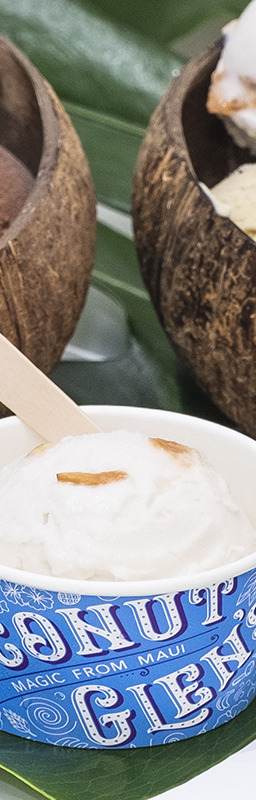
Coconut Glen’s Minami-Ikebukuro is a dessert stop in Toshima, Tokyo, close to Minami-Ikebukuro Park and the southern side of Ikebukuro’s station district. It is the Tokyo branch of a plant-based dessert brand associated with Maui, making it a useful detour when a city walk calls for something cold and sweet rather than a full meal. The shop sits in a mixed residential and commercial pocket, so it works naturally as part of a neighborhood route rather than as a destination requiring a separate excursion. The central offering is coconut-milk ice cream made without dairy or eggs. The brand uses coconut cream as its base and develops flavors beyond plain coconut, including ginger lemongrass, coffee toffee, chocolate, pistachio, and banana with rum raisin. Its appeal comes from a rich, coconut-led texture and combinations that bring different levels of spice, roast, fruit, and sweetness. The shop has also paired scoops with vegan baked elements and sandwiches. What separates this branch from a conventional ice-cream counter is the combination of a vegan recipe and a brand story rooted in a Maui-born coconut dessert concept. The Minami-Ikebukuro location was introduced as a specialist shop with a takeaway format for a quick stop near the station. That makes the experience more focused than a café visit: choose a flavor, carry it into the surrounding streets or park, and treat the dessert as one part of exploring southern Ikebukuro. This spot suits visitors seeking dairy-free sweets, travelers comparing plant-based desserts, and anyone wanting an easy pause between Ikebukuro’s shopping streets, parks, and cultural venues. Start with a flavor that shows how the coconut base is used, then add a second choice only if you want to compare rather than make a meal of the stop. Flavors, service arrangements, and branch details can change, so keep the visit flexible and confirm the current offering if the shop is the reason for crossing the neighborhood. It is best understood as a compact dessert stop with a strong ingredient identity, not a general-purpose café.
Added by Alexis Hill
Coconut Glen’s Minami-Ikebukuro is a dessert stop in Toshima, Tokyo, close to Minami-Ikebukuro Park and the southern side of Ikebukuro’s station district. It is the Tokyo branch of a plant-based dessert brand associated with Maui, making it a useful detour when a city walk calls for something cold and sweet rather than a full meal. The shop sits in a mixed residential and commercial pocket, so it works naturally as part of a neighborhood route rather than as a destination requiring a separate excursion. The central offering is coconut-milk ice cream made without dairy or eggs. The brand uses coconut cream as its base and develops flavors beyond plain coconut, including ginger lemongrass, coffee toffee, chocolate, pistachio, and banana with rum raisin. Its appeal comes from a rich, coconut-led texture and combinations that bring different levels of spice, roast, fruit, and sweetness. The shop has also paired scoops with vegan baked elements and sandwiches. What separates this branch from a conventional ice-cream counter is the combination of a vegan recipe and a brand story rooted in a Maui-born coconut dessert concept. The Minami-Ikebukuro location was introduced as a specialist shop with a takeaway format for a quick stop near the station. That makes the experience more focused than a café visit: choose a flavor, carry it into the surrounding streets or park, and treat the dessert as one part of exploring southern Ikebukuro. This spot suits visitors seeking dairy-free sweets, travelers comparing plant-based desserts, and anyone wanting an easy pause between Ikebukuro’s shopping streets, parks, and cultural venues. Start with a flavor that shows how the coconut base is used, then add a second choice only if you want to compare rather than make a meal of the stop. Flavors, service arrangements, and branch details can change, so keep the visit flexible and confirm the current offering if the shop is the reason for crossing the neighborhood. It is best understood as a compact dessert stop with a strong ingredient identity, not a general-purpose café.