See the hidden gems of Tokyo shrines, which provide a break from the busy noise of the city

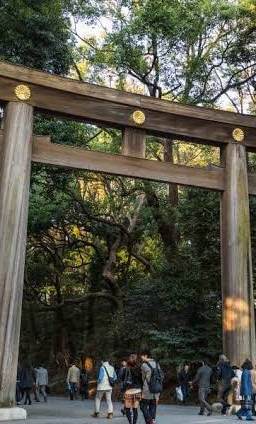
This is a beautiful, hidden forest shrine, an amazing photo spot with an amazing cafe and gift shop

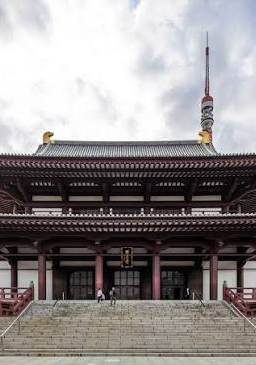
Zojo-ji stands in Minato beside Shiba Park, on Hibiya Street in the Shibakōen district, with Tokyo Tower nearby. The temple’s setting places a major Buddhist site within one of central Tokyo’s recognizable urban park landscapes, creating a distinctly cultural stop amid the city’s dense streets. Rather than being an isolated destination, it fits naturally into a walk through the park and the surrounding Minato area, where visitors can move between open green space, landmark architecture, and one of Tokyo’s best-known towers. As a Buddhist temple, Zojo-ji offers a change of pace from the commercial energy that defines much of the city. The available information does not confirm particular halls, ceremonies, exhibits, or signature features, so the appeal is best understood through its setting and cultural character rather than a prescribed list of attractions. Its placement near Tokyo Tower gives the visit a strong sense of place, while Shiba Park provides the broader neighborhood context for exploring the temple grounds at an unhurried pace. What distinguishes Zojo-ji is this combination of religious significance, park surroundings, and proximity to a major Tokyo landmark. It is a practical choice for travelers building a flexible cultural itinerary, and the map listing identifies it as wheelchair accessible. That accessibility, together with its central Minato location, makes the temple potentially suitable for a range of visitors, including those combining sightseeing with a park walk or a visit to Tokyo Tower. There is not enough supplied public-review evidence to characterize service, crowd levels, or specific visitor preferences. Plan Zojo-ji as a walk-through cultural stop rather than a venue organized around a meal or timed program. The available research lists it as open 24/7, offering unusual flexibility for an early, late, or between-itinerary visit, though practical access to individual areas or facilities may vary. With no official website or current review summaries supplied, details such as special events, admission arrangements, and the experience of particular interior spaces are not confirmed. Even so, its location at Shiba Park beside Tokyo Tower makes Zojo-ji an easy landmark to pair with other Minato sightseeing.

Atago Jinja is a Shinto shrine listed along the Ishinomaki Bypass in Wakaba 2-chome, Ishinomaki, Miyagi Prefecture. Its setting places a traditional religious site within a modern roadside context, making it a cultural stop rather than a destination built around a long itinerary. Visitors interested in local heritage can expect the appeal to come from the shrine’s presence, architectural character, and connection to the surrounding community rather than from commercial attractions or elaborate visitor facilities. The available information identifies Atago Jinja as a place of worship and heritage, but does not document a specific architectural feature, festival, sacred object, or origin story. There is likewise no restaurant or café offering to plan around: this is a shrine visit, not a dining venue, and there are no supported “signature dishes” or set menus to recommend. The most appropriate way to experience it is as a brief, respectful cultural stop, taking time to observe the layout and atmosphere without assuming that every area is intended for sightseeing. What distinguishes Atago Jinja is its place-based character. Rather than being described as a major tourist complex, it is presented as a local shrine associated with Ishinomaki’s religious architecture and heritage. That makes it potentially suited to travelers exploring the city’s cultural landscape, photographers interested in shrine forms, and visitors looking for a quieter counterpart to more programmed attractions. Public review detail is not supplied, so claims about seating, service, views, family suitability, or the quality of any facilities cannot be confirmed. Plan for a self-directed visit and check current access expectations locally before setting out; no official website, opening schedule, admission information, or visitor services are provided in the available research. One practical point deserves attention: the supplied Google Maps link displays coordinates in the Tokyo area, while the listed address places Atago Jinja in Ishinomaki. Because similarly named shrines exist, verify the destination and navigation pin before traveling. With that check made, Atago Jinja is best approached as a modest, location-specific heritage stop rather than a fully documented sightseeing attraction.

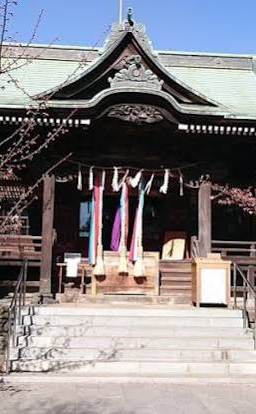
Sakura Shrine is identified at Kitagata, Umegakubo, in Iida, Nagano Prefecture, a setting that places the visit within the quieter, more residential and rural character associated with the city rather than among commercial attractions. The shrine is presented as a cultural stop centered on local religious architecture, with a calm atmosphere suited to travelers who want a brief pause and a sense of place. Its appeal is less about spectacle than about the simple experience of arriving at a local sacred site and taking in its surroundings at an unhurried pace. The available information does not document a named main hall, gate, statue, festival, or other individual feature, so Sakura Shrine is best approached as a whole rather than through a specific landmark or signature attraction. There is also no supported food or drink offering to plan around; this is a shrine visit, not a dining destination. Visitors interested in architecture and religious sites can focus on the structure, entrance area, grounds, and the way the shrine sits within its neighborhood, while allowing time for quiet observation rather than expecting a programmed visitor experience. What distinguishes Sakura Shrine is its modest, local character. The supplied description emphasizes a quiet visit and local religious architecture, making it a natural fit for solo travelers, couples, or anyone building a slower cultural itinerary through Iida. It may also suit visitors who prefer smaller places of worship over heavily commercialized sightseeing sites. Because no public review material or official website is supplied, claims about service, facilities, accessibility, views, or crowd levels cannot be confirmed. Plan for a self-guided stop and check current map or local information before setting out, particularly because no opening hours, admission details, events, or on-site amenities are documented in the available sources. The address places Sakura Shrine in Iida, but practical details such as transport, parking, and whether the grounds are open at all times should be verified locally. With those expectations, it offers a restrained cultural visit: a chance to encounter a named neighborhood shrine and its religious architecture without the commercial framing of a major attraction.

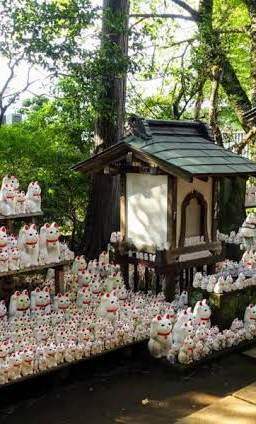
In the quiet residential setting of Gōtokuji in Setagaya, western Tokyo, Gōtoku-ji offers a distinctly historical experience away from the city’s busiest sightseeing districts. This Buddhist temple is defined by its traditional Japanese architecture, temple grounds, and carefully maintained gardens, creating a place for unhurried exploration rather than a quick indoor attraction. The setting combines the calm of a neighborhood temple with the cultural weight of a site founded in 1480. Gōtoku-ji is especially known as the birthplace of the maneki-neko, or beckoning cat, one of Japan’s most recognizable symbols of welcome and good fortune. That association gives the visit a clear focus and distinguishes the temple from many other historic sites in Tokyo. Alongside the maneki-neko connection, visitors come to appreciate the visual character of the grounds: traditional structures, garden scenery, and the sense of continuity conveyed by a temple with centuries of history. What makes Gōtoku-ji compelling is the combination of cultural significance and a relatively measured atmosphere. It is not presented as a modern entertainment venue or a restaurant-lined destination; its appeal lies in observing the architecture, walking through the grounds, and understanding the temple’s role in the story of the beckoning cat. The available information confirms the gardens and historic setting, though it does not provide a reliable body of public-review detail about seating, service, views, or suitability for specific groups. Plan a visit during the stated daily opening period of 6:00 a.m. to 5:00 p.m., allowing enough time to experience the grounds rather than treating the temple as a brief photo stop. Early or late visits may suit travelers seeking a quieter atmosphere, although no visitor-volume pattern is confirmed in the supplied information. Accessibility is limited according to the available facts, so wheelchair users and anyone with mobility concerns should check the conditions on arrival or seek current access guidance before visiting. With its historic foundation, traditional setting, and enduring maneki-neko association, Gōtoku-ji offers a focused cultural stop in Setagaya.

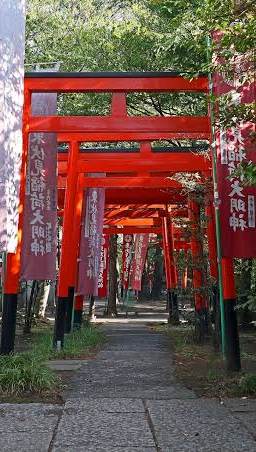
Higashi-Fushimi Inari Shrine occupies a local Shinto site at 1-5-38 Higashi Fushimi in Nishitokyo, western Tokyo. Its setting is more neighborhood cultural landmark than destination dining or commercial attraction, offering visitors a chance to pause within shrine grounds while exploring this less central part of the city. The available information identifies it specifically as a shrine and confirms that the grounds are open daily, making it a straightforward stop for travelers building a cultural itinerary around Nishitokyo. The shrine’s identity is rooted in Inari worship, a major tradition within Japanese Shinto, but the supplied sources do not confirm particular buildings, statues, gates, festivals, or signature visual features on the grounds. That makes it best approached as a place for observation and quiet cultural interest rather than an attraction defined by a documented must-see object. Visitors can take in the site at their own pace, with the surrounding neighborhood providing the context for a local rather than heavily packaged experience. What distinguishes Higashi-Fushimi Inari Shrine is precisely its accessible, everyday character. It is presented as a local Shinto site in Nishitokyo, rather than as a major tourist complex, and the available research contains no verified public-review themes about crowds, views, service, seating, or suitability for particular groups. Those looking for a brief cultural visit, a quiet stop between nearby plans, or an introduction to shrine life outside Tokyo’s busiest sightseeing areas may find its scale and setting useful. Plan to arrive during the published opening window of 6:30 a.m. to 5 p.m., Monday through Sunday. Early morning or later afternoon may suit visitors who prefer to experience the grounds at a gentler pace, although the sources do not confirm visitor levels at specific times. The official website is listed as higashifushimi-inari.jp, but the supplied material does not verify admission charges, on-site facilities, worship procedures, seasonal events, or English-language assistance, so those details are best checked directly before visiting.