About this place
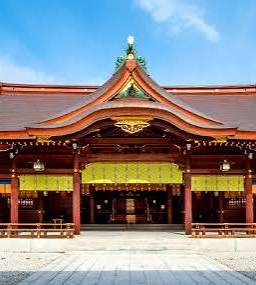
Meiji Jingu is a major Shinto shrine in Shibuya, dedicated to Emperor Meiji and Empress Shoken and set within an extensive forest beside Harajuku and Yoyogi. The shrine was established in 1920 after public support grew for commemorating the imperial couple. Broad approaches lead away from the surrounding city toward the inner sanctuary, creating a gradual transition from one of Tokyo’s busiest districts into a place intended for worship, reflection, and formal Shinto observance. The forest is central to understanding the site. It was planned as a self-sustaining sacred woodland rather than preserved as untouched ancient nature, using trees donated from across Japan and planted with help from large numbers of volunteers. The official shrine describes a roughly seventy-hectare precinct designed to develop across generations. Along the approaches, visitors pass large torii gates before reaching the main sanctuary area, where customary shrine etiquette includes a respectful bow at the entrance, purification, and quiet conduct around worship spaces. Meiji Jingu’s appeal comes from the relationship between ritual space and carefully planned landscape. The long gravel routes slow the pace of arrival, while dense woodland filters much of the nearby traffic and commercial activity from view. The precinct also includes a museum and an inner garden, but these are distinct from the core shrine visit and may have separate access arrangements. Ceremonies, offerings, and seasonal observances remain part of an active religious institution, so the grounds should not be treated simply as a park or architectural attraction. Allow enough time for the walk between the entrance and main sanctuary rather than expecting a roadside photo stop. The shrine suits visitors interested in Shinto practice, modern Japanese history, landscape planning, or a quieter counterpoint to Harajuku. Wear comfortable shoes, follow posted photography restrictions, and avoid obstructing worshippers or ceremonies. Entry conditions for the museum, garden, or special areas can differ from access to the main shrine precinct, so confirm current details only if those additions are essential to the visit.
#shinto
#shrine
#sacred-forest
#harajuku
Memories
Share personal notes or photos about this spot. You can choose who sees it.
Sign in and save the spot to share a memory.
Reviews
First-hand ratings from the CreateSpot community.
Sign in to add your own rating.
Loading reviews…
Quick Actions
Similar Spots
No similar spots found.