culture
Shinjuku Station
A
First introduced by Adam Delgadillo
Local Explorer
About this place
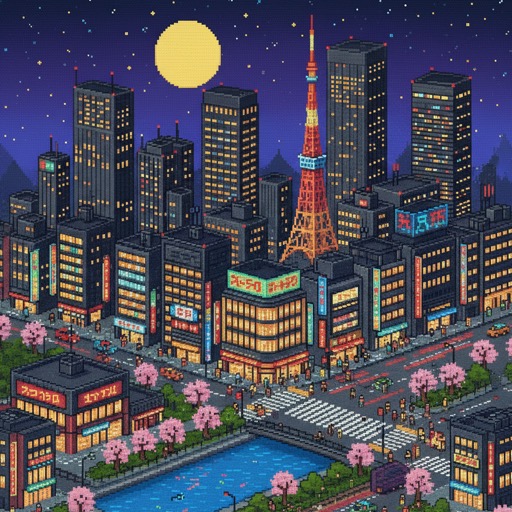
Shinjuku Station is a major rail interchange in Shinjuku City, Tokyo, and a practical starting point for exploring the district. JR East, Keio, Odakyu, Tokyo Metro, and Toei services meet around platforms and public concourses. The station is useful as an arrival point and as a reference for dividing a day between the east, west, and south sides of Shinjuku. Treat it as the first urban landmark on a route, not only as a place to change trains. The experience is one of moving through a layered city interior. JR East maps cover the 1F, 2F, and B1F levels and identify gates, platforms, shops, lockers, elevators, and travel-support points. Beyond the gates, the complex opens toward department stores, electronics retailers, bookshops, underground malls, cafes, restaurants, and the Shinjuku Expressway Bus Terminal. South leads toward newer commercial buildings and highway buses, east toward shopping and entertainment, and west toward skyscrapers and civic destinations. The station is a useful first stop in a wider walking route. What distinguishes Shinjuku Station from an ordinary transit stop is the way transport, retail, food, and city orientation are fused. A short passage between exits can change the surrounding streets, while connected operators and underground levels make a single meeting point misleading. The station also shows how Shinjuku is organized: commercial streets cluster around the east, tall offices define the west, and the south links rail travel with buses and large shopping complexes. Its interest comes from this shifting relationship between movement and neighborhood. Use the station when a day spans several Shinjuku areas or combines rail travel with shopping, food, a hotel check-in, or a bus departure. Decide your exit before entering and keep the destination Japanese name or building name available for signs. Meet companions at a named gate, terminal, or building rather than simply outside the station. Leave extra orientation time when a route crosses operators or underground levels. For a single local destination, use the exit and building map to avoid unnecessary transfers.
#shopping
#transport-hub
#shinjuku
#station
#railway
Memories
Share personal notes or photos about this spot. You can choose who sees it.
Sign in and save the spot to share a memory.
No memories yet. Be the first to share!
Reviews
First-hand ratings from the CreateSpot community.
Sign in to add your own rating.
Loading reviews…
Quick Actions
Similar Spots
No similar spots found.