Kamakura Day Trip
This itinerary is Ton's favorite route for a Day trip in Kamakura and Enoshima. It contains the combination of shrine, places to eat, sight seeing spot, and more. Enjoy :)

This itinerary is Ton's favorite route for a Day trip in Kamakura and Enoshima. It contains the combination of shrine, places to eat, sight seeing spot, and more. Enjoy :)
Saturday, Jul 11

Engaku-ji is a major Rinzai Zen temple in Kita-Kamakura, immediately beside the station and set within a wooded valley. Regent Hōjō Tokimune founded it in 1282 after the Mongol invasion attempts, with prayers offered for the dead on both sides. The complex remains an active monastery and ranks among Kamakura’s leading Zen institutions, making it a strong introduction to the city’s religious history. The grounds rise gradually along the valley. Visitors pass the large Sanmon gate before reaching the Butsuden, which enshrines Shakyamuni Buddha beneath a painted ceiling. Farther inside are the Hōjō, gardens, sub-temples, and paths climbing toward the Bentendō and Great Bell. The bell, cast in 1301, is a National Treasure and among the largest historic temple bells in the Kantō region. The Shariden reliquary is another National Treasure, although regular access is limited. Engaku-ji’s layout is central to its appeal. More than twenty halls and temple buildings occupy the natural yato valley, so architecture, forest, stone steps, and changing elevation work together rather than appearing as isolated monuments. The institution’s founding purpose also gives the site unusual depth: remembrance following conflict sits alongside continuing Zen practice. Seasonal blossoms and autumn leaves alter the scenery, but the disciplined sequence of gate, hall, garden, and hillside remains constant. This temple suits visitors interested in Zen, medieval Kamakura, religious architecture, or a quieter walk before entering the busier city center. Begin near the main axis, then choose whether the climb to the Great Bell fits available time and mobility. Some buildings are used by the religious community or open only on particular occasions, so respect barriers and avoid assuming every interior is accessible. Its location makes Engaku-ji easy to pair with other Kita-Kamakura temples, but allow enough time to experience the valley rather than treating it as a station-side photograph.
Added by Call Butler
Engaku-ji is a major Rinzai Zen temple in Kita-Kamakura, immediately beside the station and set within a wooded valley. Regent Hōjō Tokimune founded it in 1282 after the Mongol invasion attempts, with prayers offered for the dead on both sides. The complex remains an active monastery and ranks among Kamakura’s leading Zen institutions, making it a strong introduction to the city’s religious history. The grounds rise gradually along the valley. Visitors pass the large Sanmon gate before reaching the Butsuden, which enshrines Shakyamuni Buddha beneath a painted ceiling. Farther inside are the Hōjō, gardens, sub-temples, and paths climbing toward the Bentendō and Great Bell. The bell, cast in 1301, is a National Treasure and among the largest historic temple bells in the Kantō region. The Shariden reliquary is another National Treasure, although regular access is limited. Engaku-ji’s layout is central to its appeal. More than twenty halls and temple buildings occupy the natural yato valley, so architecture, forest, stone steps, and changing elevation work together rather than appearing as isolated monuments. The institution’s founding purpose also gives the site unusual depth: remembrance following conflict sits alongside continuing Zen practice. Seasonal blossoms and autumn leaves alter the scenery, but the disciplined sequence of gate, hall, garden, and hillside remains constant. This temple suits visitors interested in Zen, medieval Kamakura, religious architecture, or a quieter walk before entering the busier city center. Begin near the main axis, then choose whether the climb to the Great Bell fits available time and mobility. Some buildings are used by the religious community or open only on particular occasions, so respect barriers and avoid assuming every interior is accessible. Its location makes Engaku-ji easy to pair with other Kita-Kamakura temples, but allow enough time to experience the valley rather than treating it as a station-side photograph.
Akimoto is a food spot on Nihonterebi-dori in Chiyoda, Tokyo. The place specialized in Tempura style dishes. Be prepared to stand in a line, but totally worth it.
Added by Call Butler

Zeniarai Benzaiten Ugafuku Shrine lies in the Sasuke valley northwest of central Kamakura, surrounded on three sides by wooded ridges. Visitors enter through a rock tunnel before reaching a compact precinct of torii gates, worship areas, and a spring-fed cave. The secluded setting reinforces the shrine’s association with water, prosperity, and a medieval tradition traced to Minamoto no Yoritomo. The principal ritual takes place at the inner cave, where worshippers rinse coins or banknotes in baskets using water from the sacred spring. Tradition holds that Hōjō Tokiyori washed money here and encouraged others to do the same for household prosperity. The water, known as Zeniarai-mizu, is counted among Kamakura’s celebrated springs. The practice is not a mechanical promise of profit; washed money is customarily used meaningfully rather than kept as a display object. What distinguishes the shrine is the way the approach, cave, water, and ritual form one continuous experience. The founding legend says Ugafukujin appeared to Yoritomo in a dream in 1185 and directed him to the hidden spring. Buddhist Benzaiten and the water deity Ugafukujin became joined in the shrine’s identity, reflecting the historical blending of religious traditions. Its enclosed valley feels markedly different from Kamakura’s broad temple avenues and coastal sites. This spot suits visitors interested in living ritual, medieval Kamakura legends, or a walking route through the Sasuke and Genjiyama area. The uphill approach from Kamakura Station is longer than it appears on a central sightseeing map, so allow time and wear practical shoes. On arrival, follow the purification and prayer sequence shown at the shrine rather than beginning immediately with photographs or money washing. The precinct is relatively small and actively used, making quiet movement especially important when groups arrive. Pair it with nearby historical sites only if the additional hills fit the day’s pace.
Added by Call Butler
Zeniarai Benzaiten Ugafuku Shrine lies in the Sasuke valley northwest of central Kamakura, surrounded on three sides by wooded ridges. Visitors enter through a rock tunnel before reaching a compact precinct of torii gates, worship areas, and a spring-fed cave. The secluded setting reinforces the shrine’s association with water, prosperity, and a medieval tradition traced to Minamoto no Yoritomo. The principal ritual takes place at the inner cave, where worshippers rinse coins or banknotes in baskets using water from the sacred spring. Tradition holds that Hōjō Tokiyori washed money here and encouraged others to do the same for household prosperity. The water, known as Zeniarai-mizu, is counted among Kamakura’s celebrated springs. The practice is not a mechanical promise of profit; washed money is customarily used meaningfully rather than kept as a display object. What distinguishes the shrine is the way the approach, cave, water, and ritual form one continuous experience. The founding legend says Ugafukujin appeared to Yoritomo in a dream in 1185 and directed him to the hidden spring. Buddhist Benzaiten and the water deity Ugafukujin became joined in the shrine’s identity, reflecting the historical blending of religious traditions. Its enclosed valley feels markedly different from Kamakura’s broad temple avenues and coastal sites. This spot suits visitors interested in living ritual, medieval Kamakura legends, or a walking route through the Sasuke and Genjiyama area. The uphill approach from Kamakura Station is longer than it appears on a central sightseeing map, so allow time and wear practical shoes. On arrival, follow the purification and prayer sequence shown at the shrine rather than beginning immediately with photographs or money washing. The precinct is relatively small and actively used, making quiet movement especially important when groups arrive. Pair it with nearby historical sites only if the additional hills fit the day’s pace.

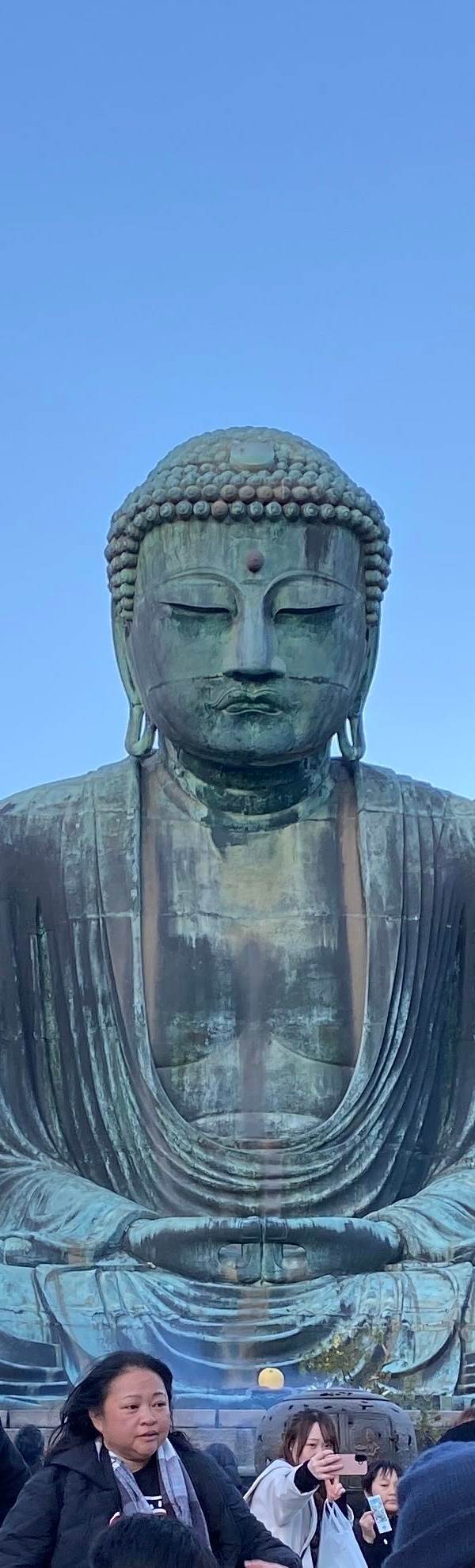
Kotoku-in is a Buddhist temple in Kamakura, known for its historic setting and temple grounds. This temple contains a big Buddha statue which is one of the most iconic spot of Kamakura
Added by Call Butler

Hase-dera is a Buddhist temple on the wooded slope above Kamakura’s Hase district, a short distance from the coast and the Great Buddha. Traditionally dated to 736, it is formally known as Kaikōzan Jishōin Hase-dera and is especially associated with devotion to Kannon, the bodhisattva of compassion. Its layered grounds combine worship halls, gardens, museum displays, and elevated views, making the temple both a religious destination and a substantial cultural stop. The principal image is an approximately nine-meter wooden statue of Eleven-Headed Kannon, among the largest wooden Buddhist statues in Japan. The Kannon-dō hall forms the spiritual center of the visit, while the Kannon Museum explains the figure’s iconography and the tradition of Kannon worship through temple treasures and interpretation. Elsewhere in the precinct, ponds, stone images, smaller halls, and planted paths create a sequence of spaces rather than a single monument. The upper terrace opens toward Kamakura’s townscape and Sagami Bay. Seasonal planting is one of Hase-dera’s defining features, but the temple offers more than a flower-viewing itinerary. Hydrangeas are strongly associated with the hillside path, while other plants change the grounds throughout the year. The contrast between intimate garden areas, the monumental Kannon image, and the broad coastal outlook gives the site unusual range. Together, its Buddhist heritage, cultivated landscape, and elevated setting show how Kamakura’s religious culture relates to the city’s seaside geography. Plan enough time to climb gradually through the precinct and pause at both the main hall and viewpoints. The temple suits travelers interested in Buddhist art, gardens, photography, or a reflective visit that remains visually varied. Some paths involve slopes and steps, so consult the current access guidance if mobility is a concern. Flowering periods can concentrate visitors, and temporary arrangements may affect particular paths or museum access. Pairing Hase-dera with nearby Kōtoku-in is practical, but each site deserves separate attention rather than a rushed combined stop.
Added by Call Butler
Hase-dera is a Buddhist temple on the wooded slope above Kamakura’s Hase district, a short distance from the coast and the Great Buddha. Traditionally dated to 736, it is formally known as Kaikōzan Jishōin Hase-dera and is especially associated with devotion to Kannon, the bodhisattva of compassion. Its layered grounds combine worship halls, gardens, museum displays, and elevated views, making the temple both a religious destination and a substantial cultural stop. The principal image is an approximately nine-meter wooden statue of Eleven-Headed Kannon, among the largest wooden Buddhist statues in Japan. The Kannon-dō hall forms the spiritual center of the visit, while the Kannon Museum explains the figure’s iconography and the tradition of Kannon worship through temple treasures and interpretation. Elsewhere in the precinct, ponds, stone images, smaller halls, and planted paths create a sequence of spaces rather than a single monument. The upper terrace opens toward Kamakura’s townscape and Sagami Bay. Seasonal planting is one of Hase-dera’s defining features, but the temple offers more than a flower-viewing itinerary. Hydrangeas are strongly associated with the hillside path, while other plants change the grounds throughout the year. The contrast between intimate garden areas, the monumental Kannon image, and the broad coastal outlook gives the site unusual range. Together, its Buddhist heritage, cultivated landscape, and elevated setting show how Kamakura’s religious culture relates to the city’s seaside geography. Plan enough time to climb gradually through the precinct and pause at both the main hall and viewpoints. The temple suits travelers interested in Buddhist art, gardens, photography, or a reflective visit that remains visually varied. Some paths involve slopes and steps, so consult the current access guidance if mobility is a concern. Flowering periods can concentrate visitors, and temporary arrangements may affect particular paths or museum access. Pairing Hase-dera with nearby Kōtoku-in is practical, but each site deserves separate attention rather than a rushed combined stop.

A small shrine setting on Enoshima, reached along Oiwaya Road in Fujisawa. It appears suited to visitors interested in local religious heritage and a quieter stop within the island’s cultural landscape.
Added by Call Butler

Enoshima Iwaya Cavern occupies the rocky western end of Enoshima in Fujisawa, where waves gradually carved passages into the island. The attraction consists of two separate caves reached after crossing the island and descending toward its exposed western coast. Their enclosed atmosphere, religious associations, and location beside the open sea make the cavern a distinctive final stop on an Enoshima walking route. The First Cave extends about 152 meters and includes displays introducing the island’s history and culture. The Second Cave is shorter at roughly 56 meters and is connected with Enoshima’s dragon legends. Rock walls, low passages, religious images, and changing light create a very different experience from the shrines, gardens, shopping lanes, and observation points higher on the island. Some narrow, dim sections require close attention to footing and overhead head clearance. These caves are significant not only as geological formations but also as part of Enoshima’s Benzaiten tradition. Religious figures including Kōbō Daishi and Minamoto no Yoritomo are associated with worship in the caverns, linking natural erosion with the island’s long sacred history. The contrast between the dim interior and the expansive coastal views outside is central to the visit, especially near the wave-cut Chigogafuchi rock platform at the island’s western edge. The cavern suits visitors comfortable with stairs, slopes, confined spaces, and a substantial walk across Enoshima. Allow more time than the cave route alone suggests because reaching the entrance involves traversing much of the island. Weather and sea conditions can affect access, so verify current operation before committing to the descent. Wear stable shoes, watch carefully for low ceilings, and consider energy for the uphill return route. Travelers combining the caves with Enoshima Shrine or the Sea Candle should place Iwaya near the end of a logical east-to-west itinerary rather than repeatedly crossing the island.
Added by Call Butler
Enoshima Iwaya Cavern occupies the rocky western end of Enoshima in Fujisawa, where waves gradually carved passages into the island. The attraction consists of two separate caves reached after crossing the island and descending toward its exposed western coast. Their enclosed atmosphere, religious associations, and location beside the open sea make the cavern a distinctive final stop on an Enoshima walking route. The First Cave extends about 152 meters and includes displays introducing the island’s history and culture. The Second Cave is shorter at roughly 56 meters and is connected with Enoshima’s dragon legends. Rock walls, low passages, religious images, and changing light create a very different experience from the shrines, gardens, shopping lanes, and observation points higher on the island. Some narrow, dim sections require close attention to footing and overhead head clearance. These caves are significant not only as geological formations but also as part of Enoshima’s Benzaiten tradition. Religious figures including Kōbō Daishi and Minamoto no Yoritomo are associated with worship in the caverns, linking natural erosion with the island’s long sacred history. The contrast between the dim interior and the expansive coastal views outside is central to the visit, especially near the wave-cut Chigogafuchi rock platform at the island’s western edge. The cavern suits visitors comfortable with stairs, slopes, confined spaces, and a substantial walk across Enoshima. Allow more time than the cave route alone suggests because reaching the entrance involves traversing much of the island. Weather and sea conditions can affect access, so verify current operation before committing to the descent. Wear stable shoes, watch carefully for low ceilings, and consider energy for the uphill return route. Travelers combining the caves with Enoshima Shrine or the Sea Candle should place Iwaya near the end of a logical east-to-west itinerary rather than repeatedly crossing the island.

Chigogafuchi Stone Lantern is a small cultural marker beside Chigogafuchi, the wave-cut marine terrace at the southwestern edge of Enoshima in Fujisawa, Kanagawa. The lantern sits along Oiwaya Road near the island’s rugged west coast, where stone paths, cliffs, and the sea replace the busier streets around the entrance. It is a compact stop, but its setting makes it part of a larger coastal walk rather than an isolated monument. Chigogafuchi is known for broad views across Sagami Bay, rough rock shelves, and sunsets that can reveal Mount Fuji when the air is clear. The nearby Iwaya Caves add a second layer to the visit: the coastline has long been connected with Enoshima’s religious landscape, and the cave area includes stone images, rock walls, and stories tied to the island’s traditions. The lantern helps anchor that scenery in a named, human-made object. Approach the spot as part of a route through Enoshima Shrine’s precincts and down toward the caves. The walk includes slopes and stairs, so comfortable footwear matters, and the final coastal rocks can be slippery or difficult at high tide or in rough weather. On calmer days, the terrace invites a pause to watch the water, photograph the cliffs, or wait for the light to change. The scenery is strongest when you give it time instead of treating the lantern as a quick checklist item. Plan Chigogafuchi for visitors who want a coastal counterpoint to Enoshima’s shrines, gardens, and shopping streets, especially photographers and travelers timing a sunset walk. Check the tide, weather, and any current access notices before descending; the rocks are exposed and conditions can change. The route is more rewarding when paired with the Iwaya Caves and the island’s western viewpoints, but the lantern itself only needs a short stop. Its appeal comes from the meeting of local cultural history, open sea views, and the physical edge of Enoshima.
Added by Call Butler
Chigogafuchi Stone Lantern is a small cultural marker beside Chigogafuchi, the wave-cut marine terrace at the southwestern edge of Enoshima in Fujisawa, Kanagawa. The lantern sits along Oiwaya Road near the island’s rugged west coast, where stone paths, cliffs, and the sea replace the busier streets around the entrance. It is a compact stop, but its setting makes it part of a larger coastal walk rather than an isolated monument. Chigogafuchi is known for broad views across Sagami Bay, rough rock shelves, and sunsets that can reveal Mount Fuji when the air is clear. The nearby Iwaya Caves add a second layer to the visit: the coastline has long been connected with Enoshima’s religious landscape, and the cave area includes stone images, rock walls, and stories tied to the island’s traditions. The lantern helps anchor that scenery in a named, human-made object. Approach the spot as part of a route through Enoshima Shrine’s precincts and down toward the caves. The walk includes slopes and stairs, so comfortable footwear matters, and the final coastal rocks can be slippery or difficult at high tide or in rough weather. On calmer days, the terrace invites a pause to watch the water, photograph the cliffs, or wait for the light to change. The scenery is strongest when you give it time instead of treating the lantern as a quick checklist item. Plan Chigogafuchi for visitors who want a coastal counterpoint to Enoshima’s shrines, gardens, and shopping streets, especially photographers and travelers timing a sunset walk. Check the tide, weather, and any current access notices before descending; the rocks are exposed and conditions can change. The route is more rewarding when paired with the Iwaya Caves and the island’s western viewpoints, but the lantern itself only needs a short stop. Its appeal comes from the meeting of local cultural history, open sea views, and the physical edge of Enoshima.
Kua ʻAina Sandwich Shop is the original Haleiwa location of a burger-and-sandwich brand on Oʻahu’s North Shore. Set on Kamehameha Highway in historic Haleiwa town, it has been serving there since 1975 and remains tied to the town’s surf-oriented, small-town character. The stop works naturally as part of a North Shore day rather than as a formal dining destination: come for a cooked-to-order meal, then continue through Haleiwa’s shops, beaches, or nearby lookouts. The kitchen’s signature is the flame-grilled burger, cooked over lava rock and built to order. Toppings include avocado, pineapple, bacon, Ortega chiles, grilled onions, and cheese, allowing a familiar burger to take on a distinctly island-oriented profile. The menu also includes hot and cold sandwiches, salads, and shoestring fries made in-house, so the shop suits groups who want different kinds of casual food without losing the focus on generous, straightforward plates. What distinguishes the Haleiwa branch is its origin story and its setting. The brand grew internationally, but this is the original store where Kua ʻAina began, and the address keeps the experience close to the historic town center. It is a useful pause between outdoor plans: substantial enough for lunch, relaxed enough for a quick stop, and easy to fold into a drive along the North Shore. The appeal comes from the connection between a long-running local business and the landscape around it. It suits travelers exploring Oʻahu’s North Shore, surfers and beachgoers wanting a filling break, or anyone comparing classic Hawaiian roadside-style burgers with more polished restaurant meals. Start with the burger or a sandwich, add the house fries if you want a complete plate, and leave room for the rest of the day’s stops. Hours change by day and holiday schedules can differ, so check the current schedule before setting out. Kua ʻAina is best understood as a Haleiwa institution with a focused menu and a strong sense of place.
Added by Call Butler
Kua ʻAina Sandwich Shop is the original Haleiwa location of a burger-and-sandwich brand on Oʻahu’s North Shore. Set on Kamehameha Highway in historic Haleiwa town, it has been serving there since 1975 and remains tied to the town’s surf-oriented, small-town character. The stop works naturally as part of a North Shore day rather than as a formal dining destination: come for a cooked-to-order meal, then continue through Haleiwa’s shops, beaches, or nearby lookouts. The kitchen’s signature is the flame-grilled burger, cooked over lava rock and built to order. Toppings include avocado, pineapple, bacon, Ortega chiles, grilled onions, and cheese, allowing a familiar burger to take on a distinctly island-oriented profile. The menu also includes hot and cold sandwiches, salads, and shoestring fries made in-house, so the shop suits groups who want different kinds of casual food without losing the focus on generous, straightforward plates. What distinguishes the Haleiwa branch is its origin story and its setting. The brand grew internationally, but this is the original store where Kua ʻAina began, and the address keeps the experience close to the historic town center. It is a useful pause between outdoor plans: substantial enough for lunch, relaxed enough for a quick stop, and easy to fold into a drive along the North Shore. The appeal comes from the connection between a long-running local business and the landscape around it. It suits travelers exploring Oʻahu’s North Shore, surfers and beachgoers wanting a filling break, or anyone comparing classic Hawaiian roadside-style burgers with more polished restaurant meals. Start with the burger or a sandwich, add the house fries if you want a complete plate, and leave room for the rest of the day’s stops. Hours change by day and holiday schedules can differ, so check the current schedule before setting out. Kua ʻAina is best understood as a Haleiwa institution with a focused menu and a strong sense of place.